
Extractions may become necessary when tooth pain or other dental problems can no longer be resolved with more conservative treatments, and you deserve a dentist who will guide you through the process with expertise and genuine care. Dr. Uyen Huynh, DDS, understands that the thought of having a tooth removed can feel overwhelming, which is why she takes extra time at Cherry Chase Dental to explain your options and ensure you feel completely comfortable with your treatment plan. Her gentle approach and calming presence help patients relax during extractions for severe decay, infection, overcrowding, or problematic wisdom teeth. You’ll receive personalized attention focused on your comfort and long-term oral health throughout the entire process.
Extractions
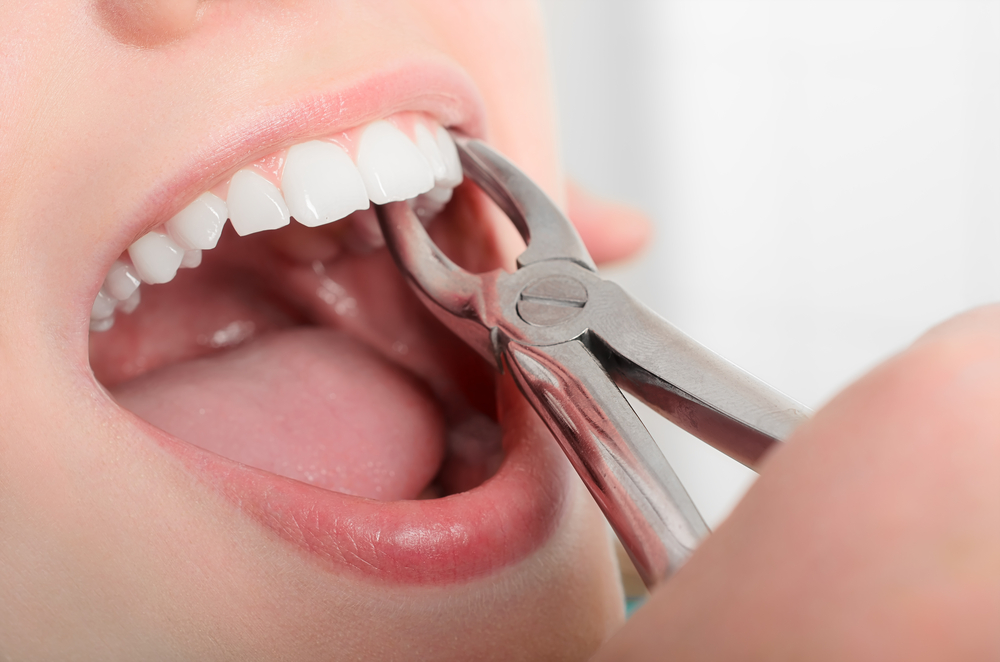
Common Reasons for Extractions
Advanced tooth decay represents one of the most frequent reasons patients need extractions. When decay has progressed so far that the tooth structure can’t support a filling or crown, removing the tooth becomes necessary to prevent the infection from spreading to neighboring teeth. Severe gum disease also leads to extractions when the supporting bone and tissue have deteriorated to the point where the tooth becomes loose and can no longer function properly in your mouth.
Dental infections that don’t respond to root canal therapy or antibiotics may require extraction to eliminate the source of infection and protect your overall health. Impacted wisdom teeth frequently cause pain, swelling, and damage to adjacent teeth, making removal the most effective solution. Orthodontic treatment sometimes requires strategic extractions to create space for overcrowded teeth to shift into their proper positions. Dr. Huynh uses digital imaging to carefully evaluate each tooth’s condition, position, and root structure before recommending extraction as the best course of action for your specific situation.

Benefits of Dental Extractions
Removing a tooth might sound like a big step, but it’s often the simplest way to feel better and protect your smile. Below are five common situations where our patients have found that extraction was the right call.
Ending the Cycle of Repeated Dental Procedures
A tooth that has been filled, refilled, or treated with a root canal can keep failing, adding another bill each time it’s repaired. Extraction breaks that cycle, and Cherry Chase Dental accepts PPO plans and can give you documentation to help with reimbursement.
Untreated Dental Disease Costs Billions in Lost Productivity
National data tracked by the CDC shows how much waiting to treat dental problems really costs. Not just for individuals, but across the country each year.
Centers for Disease Control and Prevention, About Oral Health
Improving Your Ability to Chew Comfortably
Loose or painful teeth force you to eat differently, avoiding foods or favoring one side of your mouth, which wears down the teeth you rely on most. Removing the tooth restores balance to your bite, and Dr. Huynh will talk with you about replacement options like an implant or bridge.
Oral Disease Can Affect Eating, Speaking, and Learning
The CDC documents how oral health problems often reach well beyond the tooth itself, touching everyday functions people don’t always connect back to dental health.
Centers for Disease Control and Prevention, Oral Health Facts
Lowering Your Risk of Sinus Complications
Infections in the upper back teeth sit close to the sinuses and can cause pressure, congestion, and recurring sinus symptoms that don’t respond to typical treatment. Dr. Huynh uses digital imaging to confirm the tooth is the true source before recommending extraction, clearing the infection at its root.
Dental Infections Are a Known Cause of Chronic Sinus Issues
Research on chronic sinus infections backs up exactly what Dr. Huynh checks for before recommending extraction, confirming the tooth-sinus connection is a real and common finding.
“A dental origin is found in 5 to 40% of cases of chronic maxillary rhinosinusitis.“
Lechien JR, Filleul O, Costa de Araujo P, Hsieh JW, Chantrain G, Saussez S, International Journal of Otolaryngology, 2014
Making Room for Proper Denture Fit
that keep a denture from fitting well. The area is fully numbed before removal, and Dr. Huynh discusses replacement options like implants or bridges so you get a stable foundation the first time.
Dry Socket Is a Rare Extraction Complication
Afraid of dry socket? Research on extraction outcomes shows this common fear is far less likely than most patients expect, which can help ease worries about pain after the procedure.
“Incidence of dry socket has been reported in literature to be about 0.5–5.6%.“
Akinbami BO, Godspower T, International Journal of Dentistry, 2014
Addressing Complications from Previous Dental Trauma
A tooth cracked, fractured, or loosened years ago can develop infection, discoloration, or pain later, even if it looks fine now. Dr. Huynh uses digital imaging to check the tooth’s condition before recommending extraction, protecting your health from hidden damage.
Oral Health Is Directly Linked to Overall Health
This connection is exactly why hidden damage from an old injury matters beyond just your smile, since an issue left untreated in one tooth can affect your health more broadly.
“Oral health is integral to general health. You cannot be healthy without oral health.”
U.S. Surgeon General, Oral Health in America (2000), as cited by the American Dental Association
The Risks of Delaying an Extraction
It’s easy to put off an extraction when the pain isn’t too bad yet. But a tooth that needs to come out usually doesn’t get better on its own, and waiting can affect more than just your mouth. Here’s a closer look at what tends to happen in three areas that matter most: your finances, your health, and your safety.
Why Choose Us for Extractions
Dr. Huynh brings a level of care to extractions that goes beyond technical skill. She’s known for her ability to put anxious patients at ease, taking extra time to explain each step and answer questions until you feel completely confident about moving forward. Her calming presence and gentle technique make procedures far more comfortable than patients expect, which is why many who previously avoided dental care now come in regularly.
Cherry Chase Dental operates as a boutique-style practice where personalized attention isn’t just a promise, it’s how we run every appointment. Dr. Huynh focuses on building genuine relationships with patients and tailoring each extraction to your specific needs and concerns. We check in with you throughout the procedure and remain available afterward to address any questions during your recovery, ensuring you have the support you need every step of the way.

Experience Gentle, Expert Extractions Care!
Tooth pain and damaged teeth only get worse with time, and delaying extractions when they are necessary can lead to more complex dental problems. Dr. Uyen Huynh has helped countless patients through extractions with a gentle, thorough approach that prioritizes your comfort, peace of mind, and long-term oral health.
You deserve dental care that feels supportive rather than stressful, and our team is here to make that happen. Reach out to Cherry Chase Dental at 408.735.7535 to book your consultation, and connect with us on Facebook and Instagram where we share helpful tips and updates about maintaining your healthiest smile.
FAQs
What to eat after tooth extraction?
Soft, cool foods work best for the first 24 to 48 hours following your extraction. Yogurt, smoothies, applesauce, mashed potatoes, and scrambled eggs are excellent choices that won’t disturb the healing site. Avoid hot foods and drinks during this initial period, as heat can interfere with clot formation. Your dentist will provide specific dietary recommendations based on your individual case.
When can I eat solid food after tooth extraction?
You can typically return to solid foods within three to five days after extraction, though healing times vary from person to person. Begin with softer options like pasta and cooked vegetables before progressing to chewier or crunchier foods. Chewing on the opposite side of your mouth helps protect the extraction site while it heals completely.
How long to keep gauze in after tooth extraction?
Bite down firmly on the gauze placed over your extraction site for 30 to 45 minutes following the procedure. Replace with fresh gauze for another 30 minutes if bleeding continues. Light bleeding or oozing may persist for up to 24 hours, which is completely normal. Contact your dentist if heavy bleeding doesn’t subside.
Can I drink alcohol 24 hours after tooth extraction?
Alcohol should be avoided for at least 48 to 72 hours after your extraction to support proper healing. Drinking alcohol can disrupt blood clot formation, increase bleeding risk, and create negative interactions with any prescribed pain medications. Certain drinking motions may also dislodge the protective clot, potentially causing dry socket.
How long does a tooth extraction take?
Simple extractions generally take 20 to 40 minutes, including numbing and post-procedure instructions. More complex cases, such as surgical extractions or impacted wisdom teeth, may require 45 to 90 minutes depending on positioning and difficulty. Your dentist will discuss the expected timeline during your consultation so you know exactly what to anticipate.
