
Composite fillings allow you to treat cavities and tooth damage without the visible appearance of metal restorations. Dr. Uyen Huynh provides composite fillings that restore your teeth while maintaining their natural appearance. These tooth-colored restorations blend seamlessly with your existing teeth, allowing you to address dental problems without compromising aesthetics. At Cherry Chase Dental, you’ll receive careful, personalized treatment that prioritizes both your oral health and the confidence that comes with a beautiful, natural-looking smile.
Composite Fillings
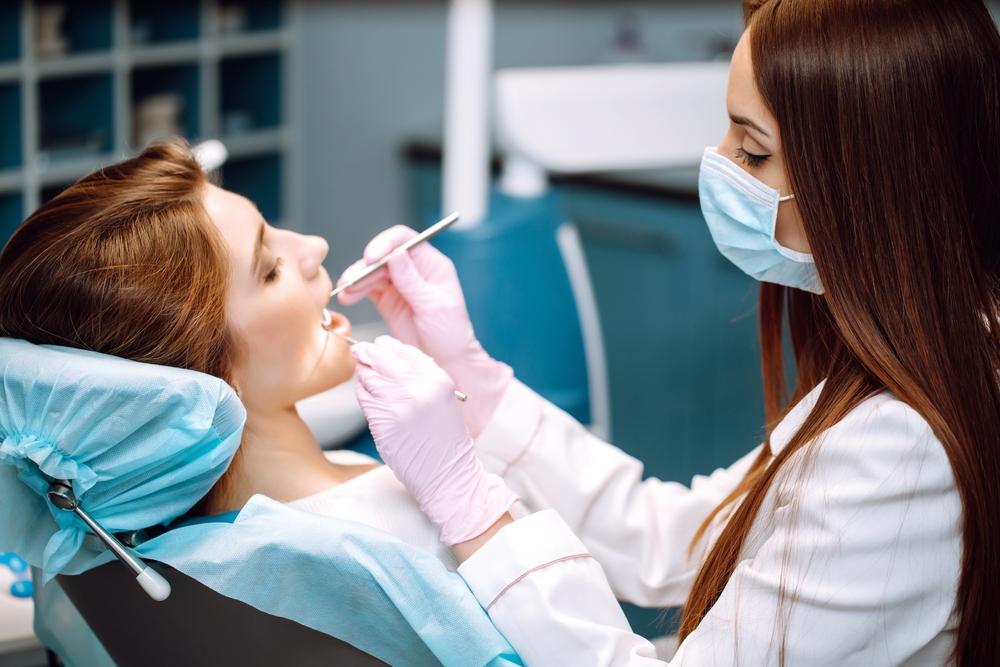
Why Dentists Recommend Composite Fillings
Dental professionals increasingly favor composite fillings because they offer advantages that benefit both tooth structure and patient outcomes. The bonding properties of composite resin allow dentists to preserve more of your natural tooth, which strengthens the overall structure and reduces the risk of future fractures. Traditional metal fillings require removing healthy tooth material to create retention, while composite material adheres directly to the tooth surface, making the preparation process more conservative and less invasive.
Composite fillings also provide diagnostic benefits that help maintain your long-term oral health. The tooth-colored material makes it easier to detect new decay or problems during routine examinations, whereas metal fillings can obscure issues on X-rays and visual inspections. Additionally, composite restorations don’t conduct temperature like metal does, which means patients experience less post-treatment sensitivity and greater comfort. These clinical advantages, combined with superior aesthetics, make composite fillings the preferred choice for treating cavities in both front and back teeth.
Benefits of Composite Fillings
A composite filling does more than close a cavity. The sections below cover five ways this material protects your tooth and blends into your smile.
Natural Appearance That Matches Your Smile
Composite fillings are custom-shaded to blend perfectly with your existing teeth. Dr. Huynh carefully selects the right color to ensure your restoration is indistinguishable from your natural tooth structure. This aesthetic advantage makes composite fillings ideal for visible areas of your mouth, allowing you to smile, laugh, and speak with complete confidence. You won’t have to worry about dark spots or metal showing when you open your mouth.
Patients Increasingly Choose Tooth-Colored Fillings
The American Dental Association notes that tooth-colored fillings are now chosen more often than metal or gold fillings. This confirms that the natural look described above reflects a real shift in patient preference, not just a claim.
American Dental Association, MouthHealthy, “Composite Fillings”
Conservative Tooth Preparation
Unlike metal fillings that require more extensive tooth removal, composite fillings allow for minimal preparation. The material bonds directly to your tooth, which means more of your healthy tooth structure can be preserved. This conservative approach helps maintain the strength and integrity of your tooth while effectively treating the problem area. Preserving your natural tooth structure contributes to better long-term oral health and tooth stability.
Removing Less Tooth Structure Protects Its Strength
Researchers who reviewed composite resin restorations found that bonding the material directly to the tooth means less natural structure has to be removed during preparation. This confirms that the conservative approach described above is a documented advantage of the bonding process itself, not just a marketing point.
PMC, National Institutes of Health (NIH), “Review: Resin Composite Filling”
Reduced Sensitivity to Temperature
Metal fillings can expand and contract with temperature changes, sometimes causing sensitivity to hot and cold foods. Composite fillings don’t conduct temperature the same way, which means you’re less likely to experience discomfort when eating or drinking. The insulating properties of the composite material help protect the inner layers of your tooth. Most patients find that composite restorations feel more comfortable and natural than traditional metal alternatives.
Tooth Sensitivity Is a Common, Treatable Problem
A large research review found that a meaningful share of people experience ongoing tooth sensitivity. This shows that the temperature sensitivity a composite filling can help avoid is a well-documented condition, not just a minor annoyance.
“The best estimate of dentin hypersensitivity was 11.5%”
Journal of Dentistry, “Prevalence of Dentin Hypersensitivity: Systematic Review and Meta-Analysis,” 2019
Versatility for Multiple Dental Concerns
Composite fillings can address more than just cavities. They’re also used to repair chipped or cracked teeth, close small gaps between teeth, and reshape worn or uneven edges. This versatility makes them valuable for both restorative and cosmetic concerns. You can fix decay or improve the appearance of your smile using composite material that offers flexible solutions tailored to your specific needs.
One Material Serves Many Restorative Purposes
Researchers who study restorative dentistry describe resin composite as the most adaptable material dentists use, suited to a wide range of situations rather than just one. This confirms that the flexible uses described above reflect an established property of the material, not just how one practice applies it.
PMC, National Institutes of Health (NIH), Pizzolotto L, Moraes RR, “Resin Composites in Posterior Teeth: Clinical Performance and Direct Restorative Techniques,” Dentistry Journal, 2022
Immediate Strength and Durability
The curing light used during placement instantly hardens the composite material, allowing you to use your tooth right away. You don’t need to wait for the filling to set or harden over time. Modern composite materials are incredibly durable and can withstand the normal forces of chewing and biting. With proper care and regular dental checkups, your composite fillings can last many years while maintaining their appearance and function.
Modern Composites Are Built to Last
A recent umbrella review pooling data from thousands of restorations found that composite fillings placed with modern techniques hold up well for years. This confirms that the durability described above is backed by long-term clinical data, not just how the material is designed to perform.
“conventional composites demonstrated > 90% 5-year survival, especially with multi-step adhesives”
Journal of Esthetic and Restorative Dentistry, Fernández et al., “Clinical Longevity of Direct Dental Restorations: An Umbrella Review of Systematic Reviews,” 2026
Risks of Delaying Composite Filling Treatment
A small cavity does not stay small if it is left untreated. The benefits above only apply when a cavity is treated while it is still minor. The sections below cover what waiting can cost you and how Cherry Chase Dental addresses each concern.
Why Choose Us for Composite Fillings
When you choose Cherry Chase Dental for your composite fillings, you’re selecting a practice that genuinely prioritizes your comfort and well-being. Many patients tell us our office feels like home, a place where dental anxiety melts away and you can relax knowing you’re in capable, caring hands. Dr. Huynh’s ability to diagnose quickly while explaining everything clearly means you’ll never feel rushed or confused about your treatment. She listens carefully to your concerns and creates treatment plans that make sense for your lifestyle and budget, not just what’s written in a textbook.
Our commitment to going above and beyond shows in the small details that matter most. You’ll notice the warm, welcoming atmosphere the moment you walk through the door, and you’ll appreciate how our team checks in with you throughout your appointment to ensure you’re comfortable. We want you to feel confident coming in for routine care rather than waiting until you’re in pain. That preventative mindset, combined with Dr. Huynh’s gentle touch and genuine compassion, creates dental experiences that patients actually look forward to rather than dread.

Schedule Your Comfortable Composite Fillings Appointment!
Composite fillings help treat small cavities before they become bigger dental problems. Address decay early while keeping your smile looking natural with tooth-colored restorations. Dr. Uyen Huynh at Cherry Chase Dental combines technical precision with genuine compassion to deliver restorations that protect your teeth and boost your confidence. Stay connected with us on Facebook and Instagram for real patient stories, helpful dental tips, and behind-the-scenes glimpses of our welcoming practice. Ready to take care of that cavity? Schedule your appointment by calling us at 408.735.7535 and experience the difference that personalized, judgment-free dental care makes.
FAQs
What is a composite filling?
A composite filling is a tooth-colored restoration made from a mixture of plastic resin and fine glass particles that’s used to repair cavities or damaged teeth. The material is applied in layers and hardened with a special light, creating a strong bond with your natural tooth structure. Unlike metal fillings, composite restorations blend seamlessly with your teeth and allow for more conservative tooth preparation.
How long do you wait to eat after composite filling?
You can eat as soon as the numbness from the anesthetic wears off, typically within two to three hours after your appointment. However, it’s wise to avoid very hard, sticky, or chewy foods for the first 24 hours to allow the filling to fully settle. Specific aftercare instructions are provided based on your individual treatment to ensure the best results.
How long do composite fillings last?
Composite fillings typically last between five to ten years with proper care, though many patients experience even longer lifespans with excellent oral hygiene. The durability depends on factors like the filling’s size, location in your mouth, your bite force, and how well you maintain your oral health. Regular dental checkups help monitor your fillings and address any wear before it becomes a problem.
Are composite fillings toxic?
Composite fillings are safe and non-toxic for the vast majority of patients, as they’re made from biocompatible materials that have been extensively tested and used in dentistry for decades. They don’t contain mercury like traditional amalgam fillings, which makes them a preferred choice for patients concerned about metal exposure. If you have specific allergies or sensitivities, your concerns can be discussed to ensure the materials used are appropriate for you.
Can I brush my teeth after composite filling?
Yes, you can brush your teeth after receiving a composite filling, as the material is fully hardened before you leave the office. Maintaining your normal oral hygiene routine is important for protecting your new filling and preventing future cavities. Be gentle around the treated area for the first day or two, especially if you experience any sensitivity, but continue brushing twice daily and flossing regularly as recommended.
Composite Fillings
A damaged or weakened tooth doesn’t have to compromise your ability to eat comfortably or smile with confidence. Dr. Uyen Huynh, DDS, provides expert dental crown restorations at Cherry Chase Dental that look natural and function beautifully for years to come. She understands that dealing with a cracked tooth, a large filling that needs reinforcement, or cosmetic concerns can feel overwhelming, which is why she takes time to explain your options clearly and create a treatment plan tailored to your specific needs. Dental Crowns offer a reliable solution that helps you regain full tooth function while preserving your oral health.
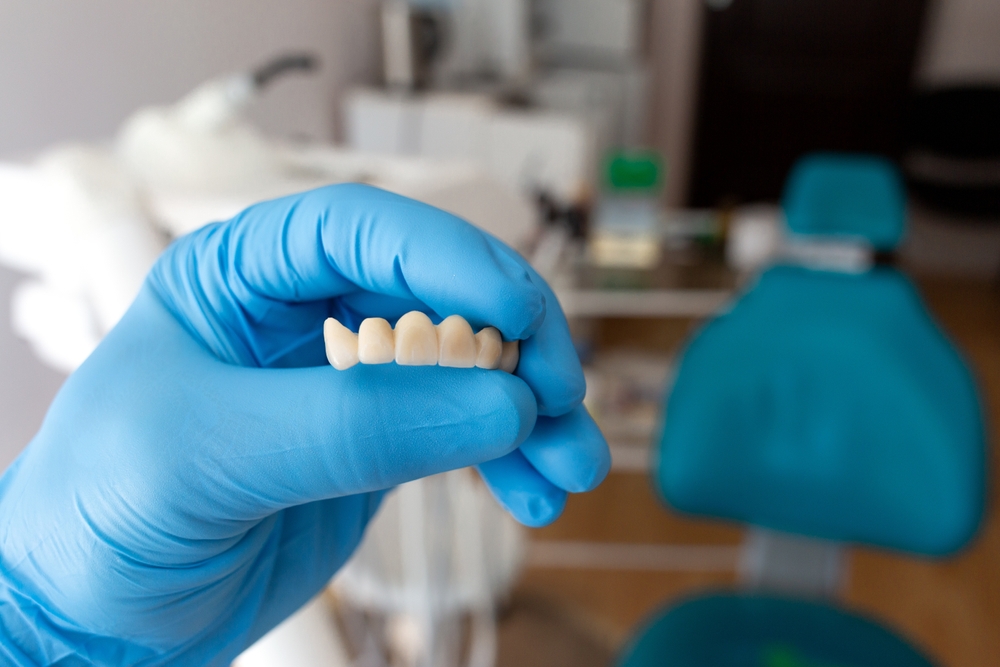
When You Need a Crown
Certain dental situations call for more than a simple filling, they require comprehensive coverage that only a crown can provide. You might need a crown if you have a tooth with extensive decay that has compromised too much structure to support a filling, or if you’ve undergone root canal therapy that left the tooth brittle and vulnerable to fracture. Teeth that have cracked or broken due to injury or wear also benefit from the complete protection a crown offers.
A crown becomes the ideal solution when a large existing filling has weakened the surrounding tooth structure or when you want to improve the appearance of a severely discolored or misshapen tooth. This custom-made cap fits over your entire tooth like a protective shell, restoring its shape, strength, and function. Once in place, you’ll be able to eat your favorite foods, speak clearly, and smile confidently, knowing your restoration is designed to blend seamlessly with your existing teeth while protecting what remains of your natural tooth structure.

Benefits of Crowns
A crown does more than cover a damaged tooth. The sections below cover five ways a crown protects your tooth, your bite, and your smile over the long term.
Saves You from Losing Your Natural Tooth
Crowns allow you to keep your original tooth rather than extracting it and replacing it with an implant or bridge. Preserving your natural tooth root maintains the bone structure in your jaw, which can deteriorate after tooth loss. This means less invasive treatment now and better long-term oral health outcomes. Your body responds better to keeping its original structures intact, and you avoid the complications that sometimes come with tooth replacement options.
Losing a Tooth Can Affect Your Jawbone
Researchers who studied bone changes after tooth extraction found that the jaw begins losing width once a tooth is gone. This shows why keeping your natural tooth root in place, rather than removing it, helps protect the bone that supports your smile.
“The reduction in width of the alveolar ridges was 3.87 mm.”
Journal of Clinical Periodontology, Van der Weijden F, Dell’Acqua F, Slot DE, “Alveolar Bone Dimensional Changes of Post-Extraction Sockets in Humans: A Systematic Review,” 2009
Eliminates Ongoing Tooth Sensitivity
If you’ve been dealing with pain when eating hot or cold foods, a crown can finally put an end to that discomfort. The restoration seals off exposed areas of the tooth where nerves have become sensitive due to cracks, wear, or large fillings. You’ll be able to enjoy ice cream or hot coffee again without wincing. This improved comfort makes everyday activities like eating and drinking much more enjoyable.
Tooth Sensitivity Is a Common, Treatable Problem
A large research review found that a meaningful share of people experience ongoing tooth sensitivity. This shows that the discomfort a crown can resolve is a well-documented condition, not just a minor annoyance.
“The best estimate of dentin hypersensitivity was 11.5%”
Journal of Dentistry, “Prevalence of Dentin Hypersensitivity: Systematic Review and Meta-Analysis,” 2019
Prevents Bite Problems from Getting Worse
A damaged or worn tooth can throw off your bite alignment, causing you to chew unevenly and potentially leading to jaw pain or headaches. Crowns restore the proper height and shape of your tooth, helping your upper and lower teeth meet correctly when you bite down. This proper alignment reduces strain on your jaw joints and surrounding teeth. Addressing bite issues early prevents them from developing into more serious problems that affect your entire mouth.
An Uneven Bite May Be Linked to Jaw Strain
A peer-reviewed analysis of dental research found that certain bite misalignments are associated with a higher chance of jaw joint problems. This shows why correcting a damaged tooth’s height and shape, before your bite shifts further, can be worthwhile.
“certain specific types of malocclusion may increase the risk of TMD”
Head & Face Medicine, Huang L, Xu Y, Xiao Z, Liu Y, Luo F, “Temporomandibular Disorder Prevalence in Malocclusion Patients: A Meta-Analysis,” 2025
Offers Natural-Looking Aesthetics
Today’s dental crowns are crafted with an attention to detail that makes them virtually indistinguishable from your natural teeth. Dr. Huynh carefully selects the shade, translucency, and contours to match your surrounding teeth, creating a seamless integration with your smile. The crown material you choose will reflect light naturally and complement your facial features. This cosmetic benefit is especially important for front teeth, where appearance plays a significant role in your confidence and self-expression.
Confidence in Your Smile Is Backed by Research
A clinical study following patients with ceramic crowns for several years found consistently high satisfaction with how natural they looked and functioned. This confirms that the natural appearance described above is something patients actually experience, not just a marketing claim.
Journal of Prosthetic Dentistry, Forrer FA, et al., “Clinical Performance and Patient Satisfaction Obtained with Tooth-Supported Ceramic Crowns and Fixed Partial Dentures,” 2020
Supports Surrounding Teeth and Prevents Shifting
When a tooth is weak or damaged, the teeth around it can start to drift out of position as your bite compensates for the compromised tooth. A crown stabilizes the affected tooth and maintains proper spacing in your dental arch. This prevents the domino effect of dental problems that can occur when teeth shift. Keeping your teeth in their correct positions makes cleaning easier and reduces your risk of future cavities and gum disease.
Neighboring Teeth Can Shift When a Tooth Is Compromised
A peer-reviewed study tracking patients after tooth loss found that nearby teeth tend to move toward the gap over time. This shows why stabilizing a weak or damaged tooth with a crown helps protect the position of the teeth around it.
“The neighboring teeth tend to migrate toward the edentulous site”
Clinical Implant Dentistry and Related Research, “Adjacent Tooth Migration After Maxillary First Molar Loss in Patients with Sinus Augmentation: A Retrospective Research,” 2023
Risks of Delaying Crown Treatment
A damaged tooth does not stay the same while you wait, it tends to get worse. The benefits above depend on placing a crown before that damage spreads further. The sections below cover what delaying treatment can cost you and how Cherry Chase Dental addresses each concern.
Why Choose Us for Crowns
Our boutique-style practice combines exceptional clinical skill with the warmth and comfort you’d expect from a family dentist. Dr. Uyen Huynh, DDS graduated among the top 25 of her class with honors from the Arthur A. Dugoni School of Dentistry in San Francisco and brings both technical expertise and a genuinely calming presence to every procedure. She takes time to listen to your concerns, explain your options in plain language, and create treatment plans that reflect your individual needs and goals rather than rushing through appointments.
Patients describe our office as feeling like home, a place where thoughtful touches like iPads for entertainment and consistent communication create a stress-free experience. You’ll receive high-quality care delivered with patience and attention to detail, the kind of personalized approach that keeps patients returning and referring to their loved ones. We believe in building relationships based on trust and helping you maintain your oral health through comfortable, judgment-free care.

Give That Weakened Tooth the Protection It Needs With Dental Crowns!
Dental crowns can give you back the confidence to eat, speak, and smile without worry while protecting your tooth for years to come. Dr. Uyen Huynh, DDS creates restorations that blend seamlessly with your natural teeth, all within an environment where you’re treated like family. See what other patients are saying about their experiences, check out our Facebook and Instagram pages for real stories and smile transformations. Book your consultation today by calling Cherry Chase Dental at 408.735.7535 and find out why our patients keep coming back and bringing their loved ones with them.
FAQs
What is a dental crown?
A dental crown is a custom cap that covers a damaged tooth to restore its shape, size, strength, and appearance. Dentists create crowns from materials like porcelain, ceramic, porcelain-fused-to-metal, or gold alloy, each offering different advantages. The best material for you depends on which tooth needs restoration, how you use it, and your aesthetic preferences for a natural look.
How much does a dental crown cost?
Crown costs vary widely based on the material chosen, your location, and the complexity of your case. Prices typically range from a few hundred to over a thousand dollars per tooth. Many insurance plans cover part of the cost when crowns are medically necessary. At Cherry Chase Dental, we provide transparent pricing during your consultation and discuss payment options that work with your budget.
How long do dental crowns last?
Most crowns last 10 to 15 years with good care, though many patients keep theirs much longer. How long yours lasts depends on the material, your oral hygiene habits, teeth grinding, and daily wear. Regular brushing, flossing, and dental checkups help maximize your crown’s lifespan. Avoiding hard foods and habits like nail-biting also protects your investment in your smile.
Can MRI be done with dental crowns?
Yes, you can safely have an MRI with dental crowns. Most crown materials are non-magnetic and won’t interfere with imaging. Older crowns with certain metals might cause minor distortion near your mouth, but they pose no safety concerns and won’t prevent the scan. Simply let your MRI technician know about your dental work beforehand so they can note it properly.
Can dental crowns cause cancer?
No, dental crowns don’t cause cancer. There’s no scientific evidence linking properly placed crowns to cancer development. Crown materials undergo extensive safety testing and have been used successfully in dentistry for decades without any cancer association. If you have concerns about specific materials due to allergies or sensitivities, your dentist can discuss alternative options that address your health considerations.
