

Deep cleaning teeth eliminates the bacteria that a regular checkup can’t reach. The treatment targets buildup that has settled below the gum line, not just plaque on the surface. The CDC calls this procedure scaling and root planing, also known as a deep cleaning.
Not all dental visits end the same way, and it’s important to know that. If your gums bleed, you have persistent bad breath, or tooth sensitivity continues, this indicates that a routine cleaning won’t solve the problem. People who have missed their checkups for a while should pay close attention to these signs, since catching them early can protect both your teeth and gums from serious damage.
Many patients first hear about deep cleanings after a routine exam uncovers a problem. Recognizing warning signs early allows you to address gum disease before it requires extensive treatment or threatens your teeth.
Key Takeaways
- Bleeding gums, bad breath, and bone loss on X-rays signal bacteria below the gum line.
- Dentists measure pocket depth with a probe, and 4 mm or more calls for scaling and root planing.
- Untreated gum disease can cause permanent tooth loss and affect your overall health.
- Catching these signs early keeps more treatment options open.
- The FAQs below answer the questions patients ask most about this treatment.
How Bleeding Gums and Bacterial Buildup Signal More Than a Routine Cleaning Can Fix
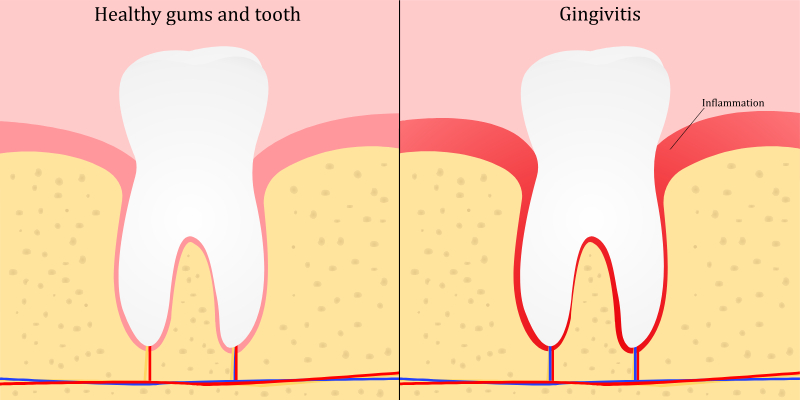
Bleeding gums are often the first sign that bacteria have moved past what a routine cleaning can handle. Periodontal disease affects roughly 2 in 5 U.S. adults over 30, according to NIDCR. The prevalence climbs further after age 65, making it far more common than most people expect.
It begins with gingivitis; the gums become red, swollen, and bleed, usually when brushing or flossing. At this stage, you can reverse the damage.
Professional cleanings and improved home care can restore healthy tissue. However, gingivitis rarely feels urgent, and many people mistakenly attribute bleeding gums to brushing too hard.
Left untreated, gingivitis progresses to periodontitis. Bacteria push below the gum line and start breaking down the bone and tissue that hold teeth in place. A routine exam can catch early gingivitis, but periodontitis needs a more thorough dental examination.
What does gum inflammation actually look like?
Gum inflammation appears as redness or swelling along the gum line and bleeds easily when touched. At this stage, a standard cleaning can still halt progression.
Once the disease advances, the signs get more specific. Persistent bad breath that will not clear with brushing usually means bacteria have settled into pockets a toothbrush cannot reach. Gum recession pulls tissue back from the tooth, exposing the root.
Bone loss appears on dental X-rays as decreased bone height, confirming the infection has progressed beyond the surface. These changes develop gradually, so monitoring over time helps you and your dentist identify patterns.
Unexplained tooth sensitivity may indicate exposed roots from gum recession. Dentists use a periodontal probe to measure pocket depth. High measurements signal the need for a deeper cleaning.
Who is most at risk for gum disease?
Certain habits and health conditions raise the risk of gum disease. Smoking is a major factor, as it weakens the body’s ability to fight gum infections. Diabetes also increases risk because high blood sugar makes gum tissue more vulnerable to bacteria.
Genetics also play a role; some individuals are more prone to inflammation even with good oral hygiene. Hormonal changes during pregnancy or menopause can increase gum sensitivity and bleeding.
Age is another risk factor. Gum disease becomes more common with age, as plaque and tartar accumulate over time. Regular checkups are especially important when these risks are present.

What Happens During Scaling and Root Planing, and Why Pocket Depth Determines the Need
Pocket depth determines whether a standard cleaning is enough or whether you need deeper treatment. Dentists or hygienists use a periodontal probe to measure the spaces between gum tissue and each tooth.
Healthy pocket depth sits between 1 and 3 millimeters. Once a reading hits 4 millimeters or more, bacteria and tartar have reached a depth standard tools cannot access.
That measurement separates the two procedures. A standard cleaning works above the gum line. A deeper cleaning works below it.
How Scaling and Root Planing Works
This treatment has two parts. First, scaling removes calculus and bacteria from tooth surfaces and gum pockets. Second, root planing smooths the tooth root surface so bacteria struggle to reattach.
Dental professionals use two types of instruments: ultrasonic tools, which vibrate at high frequency to break up tartar and flush debris, and hand instruments for detailed work in areas ultrasonic tools cannot reach.
What to Expect During and After the Procedure
Local anesthesia is standard for this procedure. It numbs the treatment area so sensitivity doesn’t limit how thoroughly the cleaning is done. Patients who take a blood thinner should let their provider know before the appointment.
Some soreness afterward is normal. Gum tissue needs time to heal, and following aftercare instructions closely lowers the risk of reinfection.
How to Prepare for Your Appointment
A few simple steps can make your deep cleaning appointment go more smoothly. Let your dental team know about any medications you take, especially blood thinners, antibiotics, or medications that affect healing. MedlinePlus advises patients on blood thinners to tell the doctor or dentist before any dental procedure. Eating a light meal beforehand can help if you plan to rest afterward, since some patients prefer to avoid chewing right after the numbness wears off.
Arranging a ride home is not usually necessary, since local anesthesia does not cause drowsiness the way sedation does. Still, some patients feel more comfortable having someone else drive if their mouth feels unusually numb. Bringing a list of questions can also help you feel prepared and get the most out of your visit.

Oral Health Risks That Make Periodontal Maintenance Non-Negotiable
A deep cleaning treats existing infection, but ongoing care determines if it returns. Periodontitis and cavities are leading causes of tooth loss, making follow-up essential.
When bacterial buildup stays below the gum line, it keeps destroying bone and connective tissue. Teeth loosen over time. Without treatment, they eventually fall out or need extraction, and you cannot undo that damage.
The effects reach beyond the mouth. Research links gum disease to conditions elsewhere in the body, and early treatment supports long-term health. Tobacco use speeds up disease progression and makes treatment less effective.
Why Periodontal Maintenance Matters
After treatment, periodontal maintenance visits temporarily replace standard cleanings. A dental professional monitors previously affected areas and removes new buildup. Visit frequency depends on how your tissues respond.
Homecare Tips for Recovery
Homecare instructions after treatment matter for a reason:
- A soft-bristled toothbrush clears plaque without irritating healing tissue.
- An antimicrobial rinse reduces bacteria between visits.
- A saline rinse can soothe tissue during the first days of recovery.
Consistent home care and regular visits keep periodontal health stable. Skipping maintenance visits lets bacteria rebuild in the same pockets that caused problems before. Patients who stick to this routine lower their risk of the disease coming back.
Signs Your Gums Are Improving
Recovery from a deep cleaning looks different for everyone, but a few signs suggest your gums are healing well. Reduced bleeding during brushing and flossing is often the first improvement patients notice. Swelling and tenderness should also decrease within the first couple of weeks.
Bad breath usually improves as bacteria levels decrease below the gum line. Gums may feel firmer and recede less. If bleeding, swelling, or discomfort persists beyond a few weeks, consult your dental team to rule out reinfection or other issues.
Don’t Wait: Your Deep Cleaning Teeth May Be Overdue
Deep cleaning teeth stops gum disease before it causes lasting damage. Bleeding gums, deep pockets, bad breath, gum recession, and bone loss are not random symptoms. Each one points to bacteria hiding where a standard cleaning cannot reach.
Most of these signs are easy to miss until they become bigger problems. The earlier you treat them, the more bone and tissue you preserve.
If any of this sounds familiar, start by talking with a dental professional. Schedule a consultation at Cherry Chase Dental today!
FAQs
What is a deep cleaning for teeth?
A deep cleaning is a procedure called scaling and root planing. It removes tartar and bacteria from below the gum line, targeting tooth roots and the walls of periodontal pockets. It’s recommended when pocket depth measurements show that disease has gone deeper than a standard cleaning can address.
How much does a dental cleaning cost?
Cost varies based on your location, insurance coverage, and whether you need a standard cleaning or a deeper treatment like scaling and root planing. Standard cleanings are typically less expensive than deep cleanings, which involve more time and attention. Contact your dental provider directly for a personalized estimate based on your needs.
Does deep cleaning teeth hurt?
The procedure uses local anesthesia, so most patients feel pressure rather than pain. Some soreness and sensitivity in the days after are normal as the gum tissue heals. Your provider can walk you through what to expect and how to manage any discomfort during recovery.
Is deep cleaning teeth necessary?
When pocket depth reaches 4 millimeters or more, a deep cleaning is clinically necessary to stop the disease from progressing. Without it, bacteria remain below the gum line and keep breaking down the bone and tissue that hold teeth in place. A standard cleaning can’t reach that depth.
How long does a teeth cleaning take?
A standard cleaning takes less time than a deep cleaning. Scaling and root planing covers multiple areas below the gum line, so it often takes longer and may span more than one appointment. Your provider will estimate the time based on your treatment needs.
