
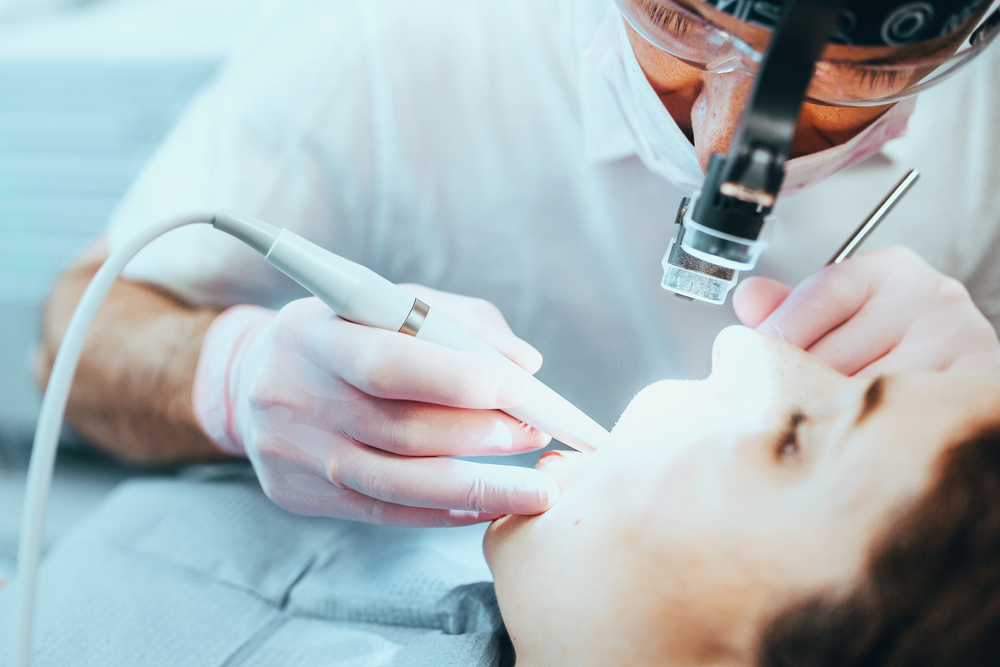
A dental prophy refers to a routine professional teeth cleaning. Most patients leave feeling refreshed, but few understand what the procedure involves.
This procedure removes hardened deposits that form when plaque remains on your teeth for an extended period, since a toothbrush cannot penetrate the layer once it has hardened. Below is an explanation of what your hygienist does, why it matters, and when a cleaning isn’t enough.
Some patients only need this care every six months. Others need more frequent visits depending on gum health and tartar buildup. This guide walks through each stage in plain language, and you’ll also learn when a deeper cleaning becomes necessary.
Key Takeaways
- Tartar forms once soft plaque hardens on your teeth, and only professional dental tools can remove it safely.
- Untreated plaque can progress into periodontitis, a condition that slowly damages the bone that holds your teeth in place.
- A full dental visit includes a health history review, digital X-rays, and a complete oral exam, not just a cleaning.
- Knowing what each step involves helps you ask better questions and follow through on your dentist’s recommendations.
- The FAQs below cover polishing paste, fluoride content, and how often cleanings should really happen.
What is a prophylaxis cleaning, and what dental tools are actually used?
A prophylaxis cleaning is the technical term for a regular teeth cleaning, since prophylaxis means prevention and this description fits the appointment.
The goal isn’t just a smooth feeling. It’s to clear deposits that build up over time, deposits that brushing at home cannot reach.
Dental plaque is a soft film that covers your teeth all day, and brushing and flossing remove most of it.
Any plaque that stays on your teeth too long absorbs minerals from your saliva and hardens into tartar, also called calculus. As the National Institute of Dental and Craniofacial Research (NIDCR) explains, plaque can harden into tartar once it’s left on the tooth surface too long.
Once tartar forms, it bonds to the tooth and won’t budge with a toothbrush. Only dental instruments can remove it.
The Tools Your Hygienist Uses
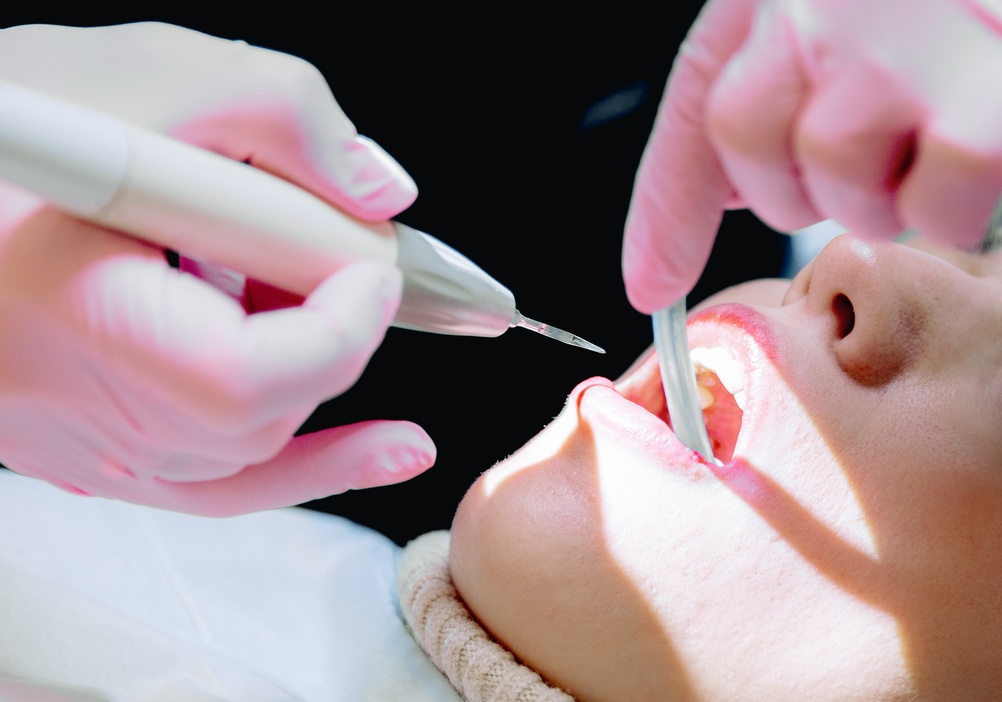
Your hygienist typically starts with a dental mirror to check around and behind each tooth. From there, they move through a few standard tools:
- A dental scaler to loosen surface deposits
- An ultrasonic scaler, which uses high-frequency vibration and a water spray to break apart tartar
- A suction tool to clear away water and debris
- A metal scaler for tighter spaces along the gum line
This technique differs from manual scaling, but most patients find it comfortable. Depending on where the buildup has formed, your hygienist may use different tools. The feedback shows that the tartar has been removed both above and below the gum line.
Does prophy paste contain fluoride?
Fluoride is often included in Prophy paste, although it isn’t always present. It is a slightly abrasive substance used to polish the teeth after scaling, to buff off surface stains and smooth the enamel. The degree of abrasiveness differs a bit from brand to brand, but the polishing effect remains the same.
Certain formulations contain fluoride while others do not. If fluoride matters to you, ask your hygienist which kind they use. A fluoride treatment after polishing provides a more dependable dose than the paste alone. This extra step matters most for patients prone to cavities or with sensitive enamel.
After scaling, the hygienist polishes your teeth with an electric brush fitted with a rubber cup and prophy paste. The surface ends up cleaner and slightly harder for new plaque to grip.
Most appointments close with a rinse and a fluoride application. Many patients say their teeth feel noticeably smoother right after this step.
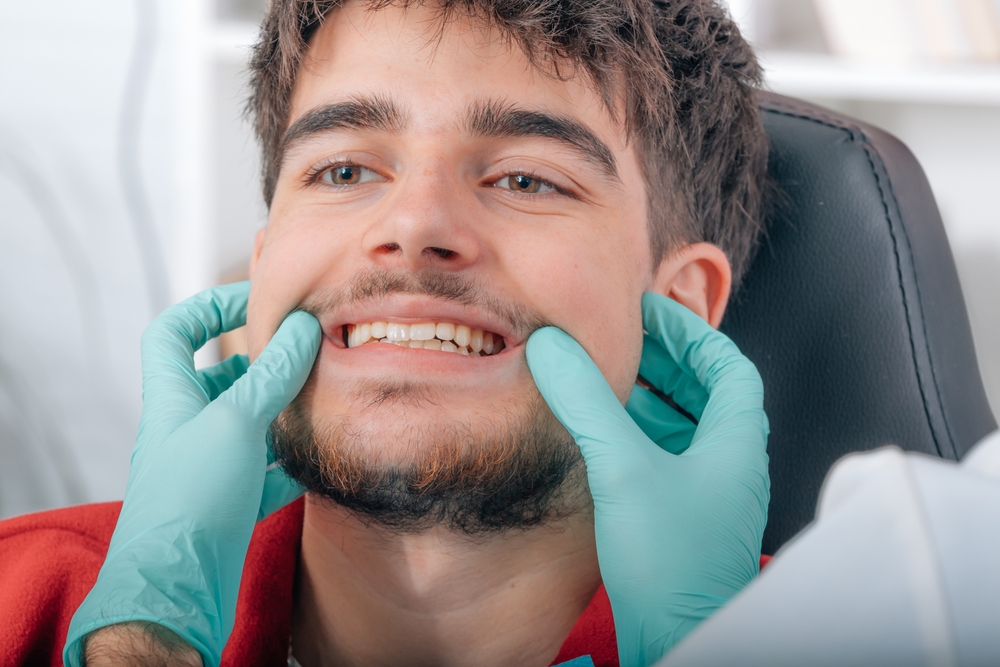
Scaling and Root Planing: When a Routine Cleaning Isn’t Enough
A regular cleaning works as long as gum disease hasn’t set in; if it has, the issue has progressed beyond what a routine cleaning can address. Knowing which stage you are at will help you choose the right treatment.
From Gingivitis to Periodontitis
If plaque deposits are not removed regularly, they irritate gum tissue and cause inflammation. This early stage, called gingivitis, can be reversed with consistent cleanings and improved home care.
Left untreated, gingivitis can progress to periodontitis, an infection that breaks down the bone and tissue that hold your teeth in place. The Centers for Disease Control and Prevention (CDC) reports that 42% of all adults aged 30 years and older have some form of periodontitis.
Without treatment, the condition can lead to tooth loss. Tooth decay is a related concern, since the same bacteria that drive gum disease also break down enamel. Catching this shift early can prevent more serious damage later on.
Once periodontitis develops, bacteria and tartar move below the gum line. They settle into the periodontal pocket, the space between the tooth root and surrounding gum tissue.
A routine cleaning reaches the visible tooth surface and the area just below the gum margin. It doesn’t reach deep enough to clear infected pockets.
What Scaling and Root Planing Involves
Scaling and root planing addresses this directly and treats patients with periodontitis. The scaling portion clears tartar and bacterial deposits from the root surface.
Root planing then smooths the root itself, making it harder for bacteria to reattach. This smoother surface also feels less irritating once healing begins.
Managing Discomfort and Follow-Up Care
Because this procedure works deeper than a standard cleaning, some patients feel sensitivity during treatment. A topical anesthetic applied to the gum before the procedure reduces discomfort for most patients. Most patients tolerate the procedure well once the area is numb.
In cases with deeper pockets, your dentist may use local anesthesia throughout.
Periodontal maintenance visits follow scaling and root planing on a more frequent schedule than standard cleanings. These appointments track gum health over time.
Periodontal therapy is an ongoing process, and how often you return depends on how your gum tissue responds. Sticking to this schedule protects the progress you’ve already made. Skipping these follow-up visits can allow the infection to return.

Biannual Cleanings, Digital X-Rays, and What Your Dental Team Checks Beyond Your Teeth
The cleaning itself is only one part of the appointment. The rest involves gathering information your dentist needs to catch problems early. This information gives your dentist a fuller picture of your overall health.
Health History and Digital X-Rays
When you sit down in the chair, your dental team starts by reviewing your health history. If anything has changed since your last visit, that information affects what your dentist looks for. New medications or health conditions matter here too.
Some medications reduce saliva flow, increasing plaque buildup. Certain health conditions also raise your risk for gum disease. Even minor changes in your health history can affect your dentist’s focus.
This review isn’t just paperwork. It shapes the entire exam.
Digital X-rays are standard in most dental exams. Digital imaging shows the spaces between teeth, the roots, and the supporting bone. None of those areas are visible during a standard exam.
Your dentist uses these images to find decay between teeth and check bone levels. These images often catch problems long before you’d feel any pain.
The Dental Exam and Recommended Frequency
The dental exam runs alongside or after the cleaning. Your dentist checks each tooth for decay, looks at existing restorations, and screens the soft tissues of your mouth. This combination of cleaning and exam is what makes the visit preventive rather than just cosmetic.
Most dentists recommend two visits a year for preventive care. The NIDCR recommends routine check-ups and professional cleaning as part of a consistent preventive routine. The American Dental Association supports this schedule as a baseline. Your dentist may suggest more frequent visits based on your risk factors.
Patients with gum disease or rapid tartar buildup often benefit from visits every three to four months. This helps prevent minor issues from becoming costly problems. More frequent visits are a precaution, not a sign of trouble.
Additional Preventive Steps
After the exam, your dental professional may recommend a few additional steps:
- Fluoride varnish or fluoride mouthwash to strengthen enamel between visits
- Dental sealants on the chewing surfaces of back teeth
- Molar sealants for patients prone to decay in those grooves
Many practices offer these options based on your exam results. Ask your dentist if either is appropriate for you.
Good oral hygiene between visits maximizes the benefits of each cleaning. Brushing twice daily and flossing once a day slow plaque and tartar buildup. Consistent daily habits make a significant difference.
Should you ask for a dental prophy on your next visit?
A dental prophy does more than polish your teeth. It clears what home care can’t reach and helps your dentist catch decay and bone loss early. That means catching problems before they’re visible or painful.
When gum disease is present, it can lead to treatments like scaling and root planing. These address the problem at its source. Each visit builds on the last, so staying consistent matters. Consistency now saves you time and discomfort later.
Whether you are due for a routine visit or need additional care, reaching out is the first step. Schedule a consultation at Cherry Chase Dental today.
FAQs
What is prophylaxis?
Prophylaxis is the clinical term for a professional teeth cleaning. A dental hygienist or dentist removes plaque, tartar, and surface stains to prevent gum disease and decay. The word comes from Greek and means preventive care, which accurately describes the appointment’s purpose.
What do dentists use to polish teeth?
After scaling, hygienists use a rubber cup on a slow-speed handpiece along with prophy paste to polish teeth. The paste is mildly abrasive and buffs away surface stains while smoothing the enamel. The polishing step usually takes just a few minutes at the end of the appointment.
Does prophy paste have fluoride?
Some prophy pastes include fluoride, and some don’t. The concentration in paste is generally low, so many practices apply a separate fluoride varnish after polishing for a stronger preventive benefit. Ask your hygienist which formulation they use if fluoride content is a concern for you.
How often should you get a professional teeth cleaning?
MedlinePlus notes that most dentists recommend professional cleanings every 6 months for optimal oral health. Your dentist may suggest more frequent visits if you have gum disease or tartar builds up quickly. The right schedule depends on your personal history, not a fixed rule.
What is the difference between a regular cleaning and a deep cleaning?
A regular cleaning removes plaque and tartar from the tooth surface and just below the gum line. A deep cleaning, or scaling and root planing, clears deposits from the tooth roots inside periodontal pockets. Dentists use it when gum disease has progressed beyond what a standard cleaning can reach.
Sources
- National Institute of Dental and Craniofacial Research (NIDCR): Plaque can harden into tartar
- Centers for Disease Control and Prevention (CDC): 42% of all adults aged 30 years and older
- NIDCR: Routine check-ups and professional cleaning
- MedlinePlus: Having your teeth professionally cleaned every 6 months
