
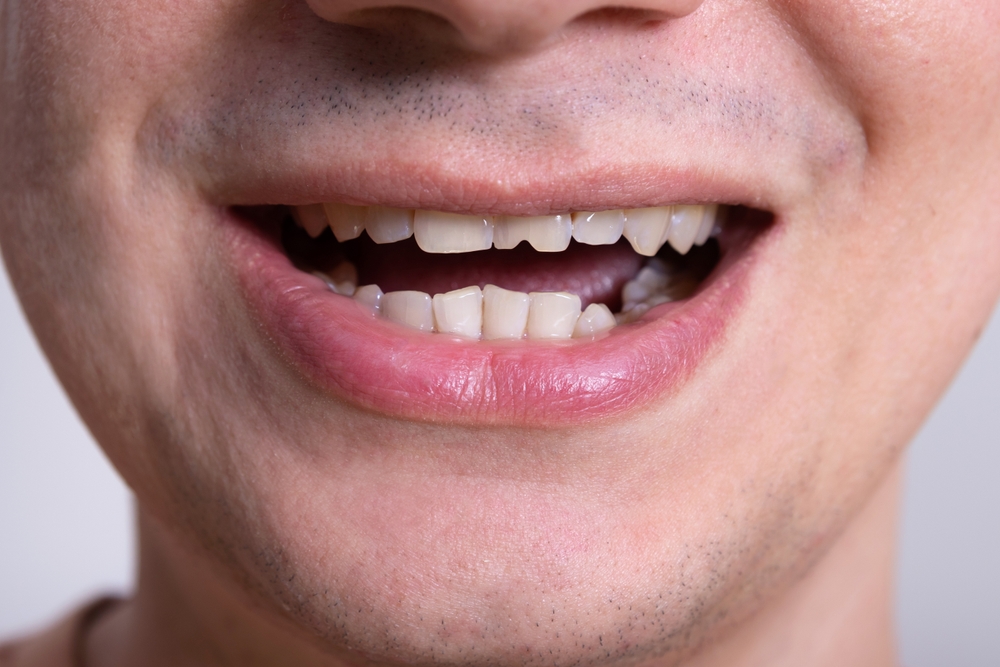
When a tooth cracks, a crown dental restoration is often what stands between keeping that tooth and losing it. Cracks vary widely. Some stay as shallow lines in the enamel that never cause pain. Others split a tooth down to the root and threaten the whole structure.
The type of crack you have, and how deep it runs, decides every treatment step that follows. A dentist can usually spot the difference within a single exam. Simple diagnostic tools help map the crack before any drilling starts. Understanding the basics now helps you recognize warning signs early. That way, you can act faster if a crack shows up in your own mouth.
Key Takeaways
- A cracked tooth ranges from a shallow scratch to a root fracture, and crack type decides if a crown helps.
- Cracks that reach the pulp need root canal therapy before a crown, while shallow cracks may only need a filling.
- Crown placement takes one or two visits, depending on whether your dentist mills it on site or uses a lab.
- Acting early on a cracked tooth keeps more treatment options available and improves the chance the tooth can be saved.
- Get answers to common questions about crown materials, lifespan, and what to do when a tooth starts hurting.
How Dental Crowns Protect Cracked Teeth
Dental crowns cap the entire visible part of a damaged tooth. This holds the structure together so a crack cannot spread further with each bite. Before placing one, a dentist locates the crack and checks how deep it runs.
What Causes a Cracked Tooth
According to StatPearls, a cracked tooth forms when a fracture plane of unknown depth and direction runs through the tooth structure. Grinding, trauma, and age-related wear are the most common causes. Hard foods like ice or unpopped popcorn kernels can start or worsen a crack too.
Stress plays a role as well. ABC News reports that stress-related grinding has been on the rise during the COVID-19 pandemic, which has been linked to higher rates of cracked teeth. Many people grind their teeth at night without realizing it. That repeated pressure slowly weakens the tooth until something gives.
Spotting the Symptoms and Diagnosing a Crack
Symptoms tend to come and go, which makes cracked teeth hard to catch early. You might feel sharp pain when biting down, then nothing for days. Temperature sensitivity can appear and disappear without warning. Some people notice both symptoms together, which adds to the confusion. PubMed-indexed research notes that cracked tooth syndrome poses a significant challenge in general dental practice.
Dentists rely on a few specific tools to find a crack that will not show up on an X-ray. Dye tests apply a colored solution that soaks into the crack and makes it visible. Bite tests ask you to press on a small stick, which isolates exactly where the pain comes from. Together, these tools help map the crack before any treatment begins.
From Craze Lines to Vertical Root Fractures: The Crack Spectrum
The type of crack you have determines the treatment you need.
Craze lines are shallow cracks limited to the outer enamel. They rarely cause pain and often just need monitoring. Fractured cusps happen when a piece of the chewing surface breaks off, usually near an old filling. These stay above the gum line, which makes them easy to treat with a crown.
A split tooth has a crack running the full length of the tooth, dividing it into two parts. Depending on how far the split reaches, part of the tooth may be saved. Otherwise, the entire tooth may need removal.
Vertical root fractures start at the root and travel upward. These are the hardest to detect. They often lead to tooth loss, since so much hidden structure below the gum line gets affected.

When Restorative Dentistry Requires More Than a Filling
Restorative dentistry for a cracked tooth follows a simple rule. The deeper the crack, the more involved the treatment. A minor crack that has not reached the inner layers may only need a filling or composite bonding. This seals the surface and stops decay from spreading. Dental bonding can also reinforce a small chip.
As StatPearls points out, a crack may be superficial at this stage, which makes it the simplest outcome to treat.
The situation changes once a crack reaches the pulp chamber. At that point, the crack exposes the nerve and blood supply inside the tooth. The damage will not resolve on its own.
Root Canal Treatment and the Role of the Pulp Chamber
When a crack reaches the pulp chamber, a crown needs root canal therapy first. The pulp chamber sits at the center of the tooth. It holds the nerves and blood vessels that keep it alive. Once a crack opens a path to the pulp, bacteria get in. This causes pain and inflammation that will not go away without treatment.
Root canal treatment clears out the damaged pulp, cleans the inside of the tooth, and seals it shut. Skipping this step and placing a crown over an infected tooth would trap the infection inside. After root canal therapy, the remaining tooth structure is often brittle. A crown absorbs the bite force the weakened tooth can no longer handle alone.
Leaving a deep crack untreated creates real problems. A crack that reaches the root can turn into a dental emergency. A tooth that splits fully may need removal. Once a tooth is gone, people often ask about implants, bridges, or partial dentures.
Those options restore function, but they take more time and more steps than saving the original tooth. Early diagnosis and prompt treatment lead to better long-term outcomes. Most restored natural teeth keep functioning normally for years.
Same-Day Crowns vs. Traditional Crowns: What Happens at the Dental Office
Once a dentist confirms a crown is the right fix, the process at the dental office follows a set sequence. This sequence stays largely the same no matter which material you pick.
The Crown Placement Process
First comes tooth preparation. The dentist gives local anesthesia, then uses a dental drill to reshape the tooth so the crown fits over it. The material chosen and how far the crack extends decide how much tooth the dentist removes.
Next, the dentist captures the shape of the prepared tooth. Many practices now use digital impressions taken with an oral scanner instead of traditional putty molds. Digital scanning feels faster and more comfortable. It produces a model that goes to a dental laboratory or feeds directly into an on-site milling machine.
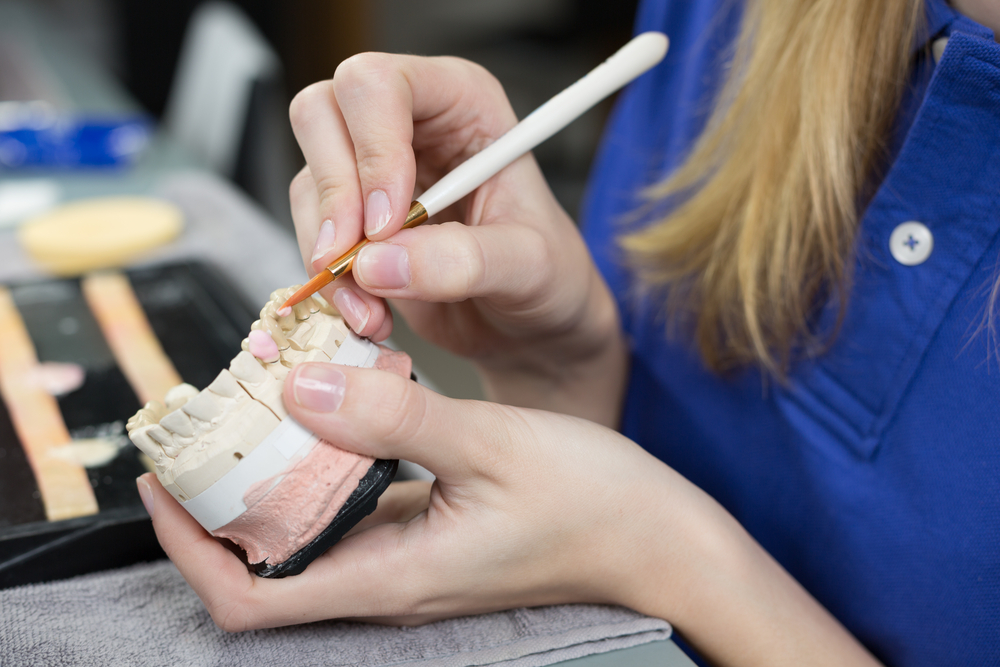
With traditional crowns, the scan travels to a dental lab, where technicians build the crown over several days. The dentist places a temporary crown to protect the tooth while you wait. When the finished crown comes back, you return for a second visit, and the dentist secures it with dental cement.
Same-Day Crowns Using CEREC Technology
Some practices offer same-day crowns using CEREC technology. CAD/CAM software designs the crown from the digital scan. An in-office milling machine then carves it from a ceramic block in one appointment. Patients with dental anxiety or limited time often prefer this option. Sedation dentistry, including nitrous oxide, is available at many practices for anyone who feels anxious during dental visits.
Crown Materials: From Porcelain-Fused-to-Metal to All-Ceramic Options
The right material depends on where the tooth sits and how much pressure it handles every day. Cost can vary between these options too.
All-ceramic crowns and porcelain crowns work well for front teeth, since ceramic material matches tooth color closely. They look natural but can be less resistant to heavy bite forces. Porcelain-fused-to-metal crowns pair a metal base with a porcelain outer layer, which adds strength while still looking fairly natural.
Gold crowns hold up well under pressure and stay gentle on the teeth they touch. This makes them practical for back molars. Resin crowns use dental resin as the bonding material and tend to wear out faster than other options. Stainless steel crowns usually go on baby teeth as a short-term fix while the permanent tooth develops underneath.
Anyone with a metal allergy should mention it before choosing a material. All-ceramic and zirconia crowns are metal-free. If a crown suffers damage later, repair may be possible depending on the material. A replacement crown becomes necessary when repair will not restore full function.

Should you get a crown dental fix for your tooth?
A crown dental restoration works best when a dentist catches a crack early, before it reaches deep into the tooth. A shallow crack might only need a filling. A crack near the pulp usually needs root canal therapy first, then a crown to protect what remains. Waiting rarely makes the outcome better, since a crack tends to spread with regular biting and chewing.
If a tooth keeps sending signals like pain that comes and goes, our dentist can explain what is happening and offer solutions. Visit us today!
FAQs
How long do dental crowns last?
Crowns don’t have a fixed expiration date. Good oral hygiene and regular dental checkups help them last many years. The material matters too. Avoiding hard foods and wearing a mouth guard at night can reduce wear and help the crown last longer.
Can an MRI be done with dental crowns?
The answer depends on the crown material. Different materials respond differently to MRI equipment. Tell your imaging technician about any dental work before your scan. Your dentist can tell you what material your crown uses. Share that with your imaging team before the scan.
What are dental crowns made of?
Crowns come in several materials: all-ceramic, porcelain fused to metal, gold, dental resin, and stainless steel. Each has different strengths and appearance. Your dentist picks a material based on the tooth’s location and how much bite force it handles. Metal allergies matter too.
How do I know if my cracked tooth needs a crown or just a filling?
A crack in the outer enamel may only need a filling or dental bonding. If the crack reaches the pulp chamber or causes ongoing pain, a crown is usually the next step. Dye tests and bite tests help your dentist measure how deep the crack goes.
How much does a dental crown cost?
Crown prices vary based on material, tooth location, and whether your dentist uses a lab or in-office milling. Porcelain and ceramic crowns often cost more than metal options. Insurance coverage and payment plans can help offset expenses. Your dentist can give you an accurate estimate after examining your tooth.
